Sindhi Cultural Day (Chetti Chand)
Chetti Chand holds profound cultural significance for the Sindhi community, symbolizing new beginnings, resilience, and unity. It is a day to honor Lord Jhulelal and Lord Varuna, the water god, with Sindhis observing fasts, making offerings, and conducting religious ceremonies. The festival reinforces Sindhi identity and pride, connecting contemporary Sindhis to their ancient roots in the Indus Valley Civilization. The celebrations, including processions, folk dances, and traditional music, serve to preserve and promote the rich cultural traditions, language, and peaceful identity of the Sindhi people worldwide.
Sindhi Cultural Day (Chetti Chand)
سنڌي ثقافتي ڏينهن
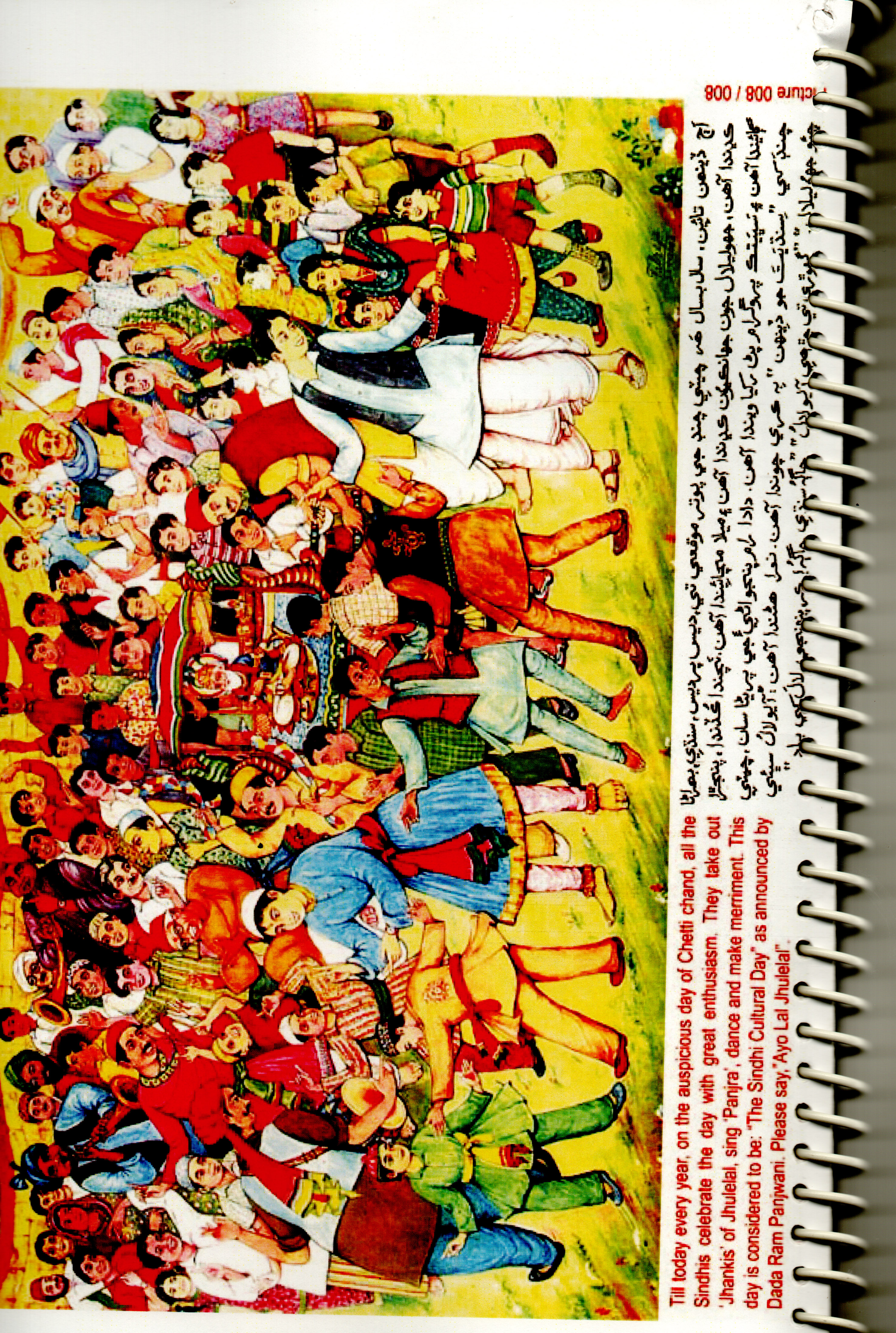
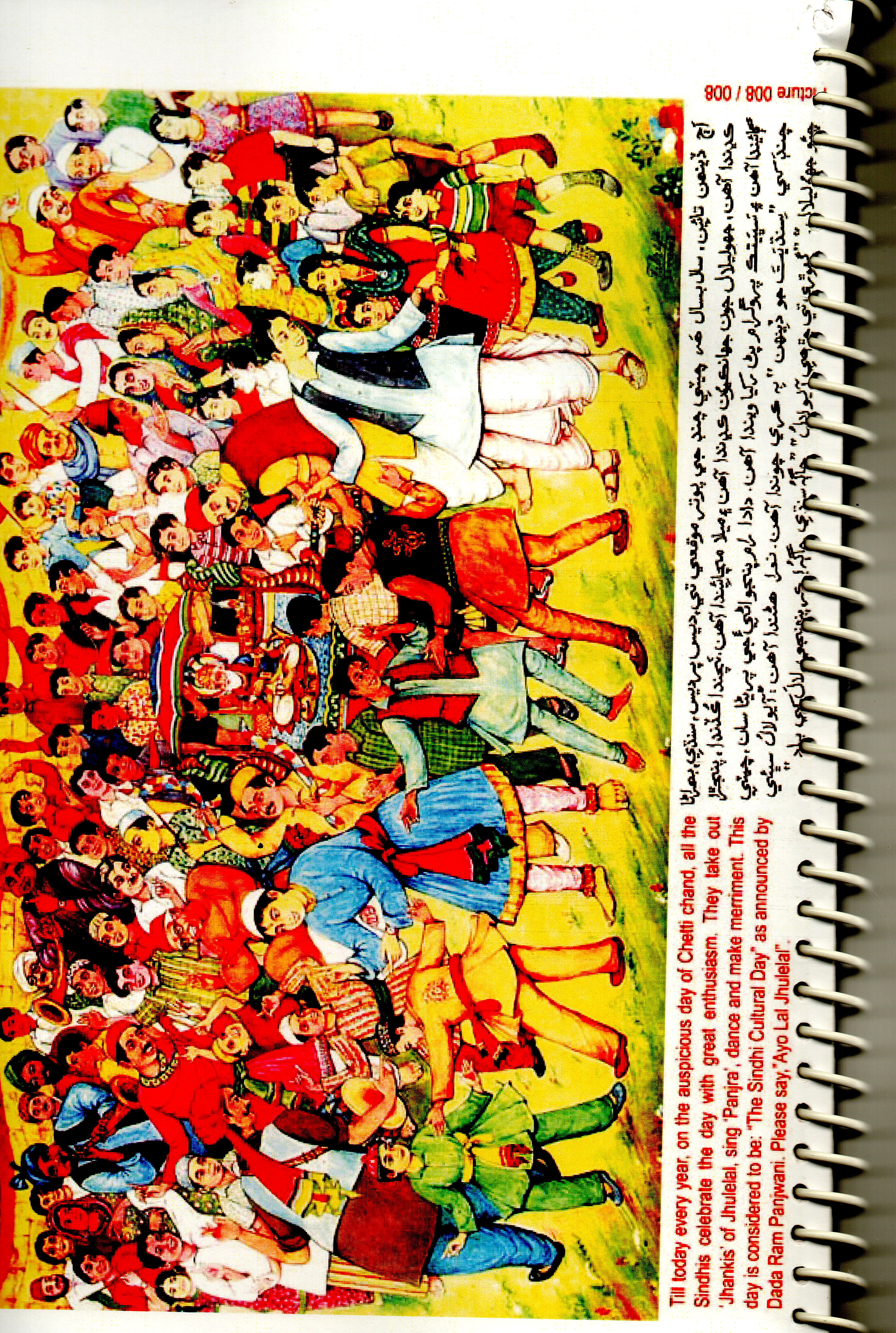
This document describes the annual celebration of Chetti Chand, also known as the Sindhi New Year, which is observed with immense enthusiasm by the Sindhi community. Festivities include taking out 'Jhankis' (processions) of Lord Jhulelal, singing traditional 'Panjra', dancing, and general merriment. Participants are encouraged to chant "Ayo Lal Jhulelal" during the celebrations. While the provided context links this day to an official recognition as 'The Sindhi Cultural Day' by Dada Ram Panjwani, it is important to note that the widely recognized 'Sindhi Cultural Day' (also called 'Aekta jo ddihaarro' or 'Day of Unity') is a separate annual festival celebrated on the first Sunday of December. Dada Ram Panjwani, a prominent figure in Sindhi culture, was indeed a pioneer in popularizing Chetti Chand celebrations in India, but historical records do not indicate he officially designated Chetti Chand as 'The Sindhi Cultural Day'.
Historical Overview
Chetti Chand is a festival with deep historical roots, marking the beginning of the Lunar Hindu New Year for Sindhi Hindus. It commemorates the birth of Lord Jhulelal, also known as Uderolal, who is considered the patron saint of Sindhi Hindus and an incarnation of the river deity Varun Dev. According to legend, Jhulelal was born in 1007 CE to protect the Sindhi community from religious persecution by a tyrannical ruler named Mirkhshah. Sindhi Hindus prayed to Lord Varuna for 40 days along the Indus River, and on the 40th day, a prophecy of a divine child's birth to rescue them was received. His birth symbolizes victory over oppression and a message of peace and religious freedom.
Dada Ram Panjwani (1911-1987) was a significant cultural ambassador for the Sindhi community and a pioneer in promoting Chetti Chand celebrations in India, contributing greatly to the preservation of Sindhi music and poetry. His efforts helped to keep Sindhi heritage alive, particularly in the aftermath of the partition of India.
Separately, the modern 'Sindhi Cultural Day' originated in 2009. It was initially celebrated as 'Sindhi Topi Day' on December 6, 2009, as a response to critical comments made by a television anchorperson about a public figure wearing a Sindhi cap. This event spurred a massive show of Sindhi pride and solidarity, leading to its annual observance. The day was subsequently renamed 'Sindhi Cultural Day' to reflect its broader purpose of celebrating Sindhi heritage and identity.
Cultural Significance
Chetti Chand holds profound cultural significance for the Sindhi community, symbolizing new beginnings, resilience, and unity. It is a day to honor Lord Jhulelal and Lord Varuna, the water god, with Sindhis observing fasts, making offerings, and conducting religious ceremonies. The festival reinforces Sindhi identity and pride, connecting contemporary Sindhis to their ancient roots in the Indus Valley Civilization. The celebrations, including processions, folk dances, and traditional music, serve to preserve and promote the rich cultural traditions, language, and peaceful identity of the Sindhi people worldwide.
"This heritage place preserves the spirit of cultural memory, where architecture, landscape, and history come together in one experience."
— Cultural Heritage Board DocumentationVisual Journey