
Discover Sacred Sites
Exploring the spiritual roots of Sindh across the Sindhi global network.
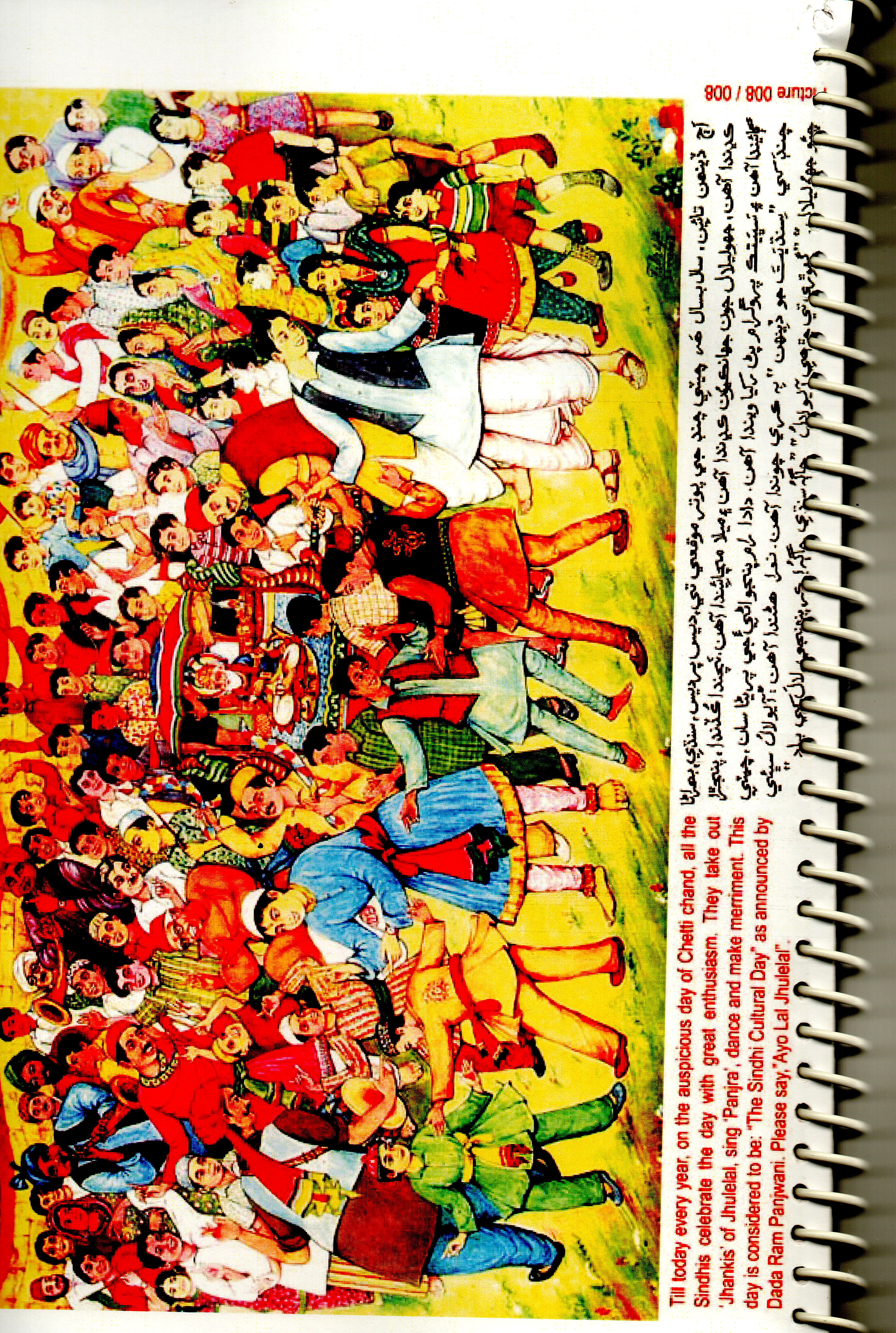
Sindhi Cultural Day (Chetti Chand)
Est. 1007سنڌي ثقافتي ڏينهن
This document describes the annual celebration of Chetti Chand, also known as the Sindhi New Year, which is observed with immense enthusiasm by the Sindhi community. Festivities include taking out 'Jhankis' (processions) of Lord Jhulelal, singing traditional 'Panjra', dancing, and general merriment. Participants are encouraged to chant "Ayo Lal Jhulelal" during the celebrations. While the provided context links this day to an official recognition as 'The Sindhi Cultural Day' by Dada Ram Panjwani, it is important to note that the widely recognized 'Sindhi Cultural Day' (also called 'Aekta jo ddihaarro' or 'Day of Unity') is a separate annual festival celebrated on the first Sunday of December. Dada Ram Panjwani, a prominent figure in Sindhi culture, was indeed a pioneer in popularizing Chetti Chand celebrations in India, but historical records do not indicate he officially designated Chetti Chand as 'The Sindhi Cultural Day'.
View Detailed Story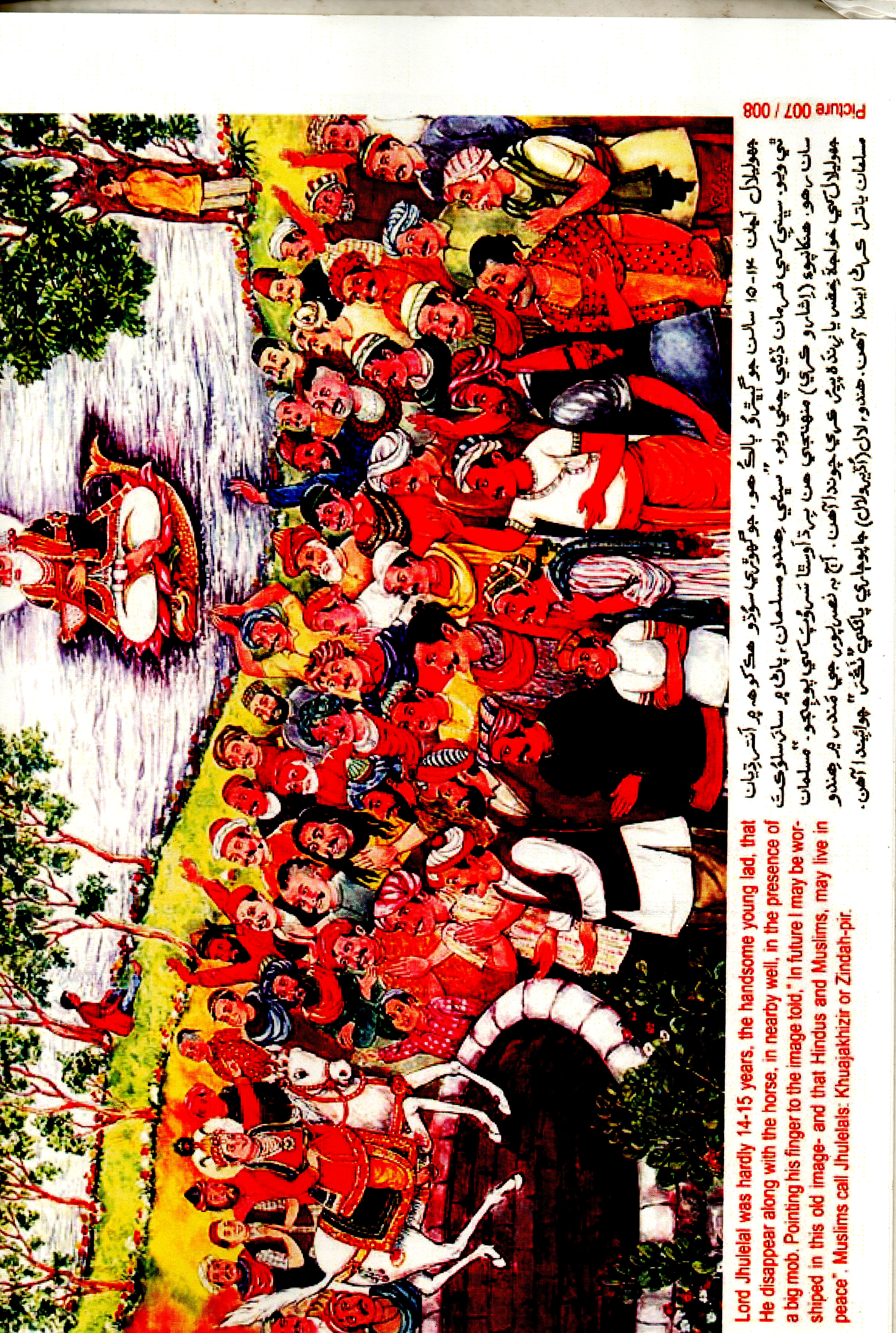
Lord Jhulelal
Est. 1684ڀڳوان جھوليلال
Lord Jhulelal, also known by names such as Uderolal, Daryalal, Amarlal, Lal Sai, Khwaja Khizr, and Zindah Pir, is a revered figure in Sindhi heritage, embodying unity and religious harmony. He is primarily worshipped by Sindhi Hindus as an incarnation of Lord Varuna, the Hindu god of water. According to tradition, he appeared as a handsome young lad, often depicted around 14-15 years old, to protect the Sindhi community from religious persecution.
His legend describes him disappearing with his horse amidst a large crowd, with the belief that he will reappear in a grander form in the future. An accompanying image often portrays him pointing to a crowd, symbolizing the peaceful coexistence he fostered between Hindus and Muslims. Sindhi Muslims deeply revere him as Khwaja Khizr or Zindah Pir, highlighting his significance across different faiths in Sindhi culture. He is considered the patron saint and community deity (Ishta Dev) of the Sindhi people worldwide.
View Detailed Story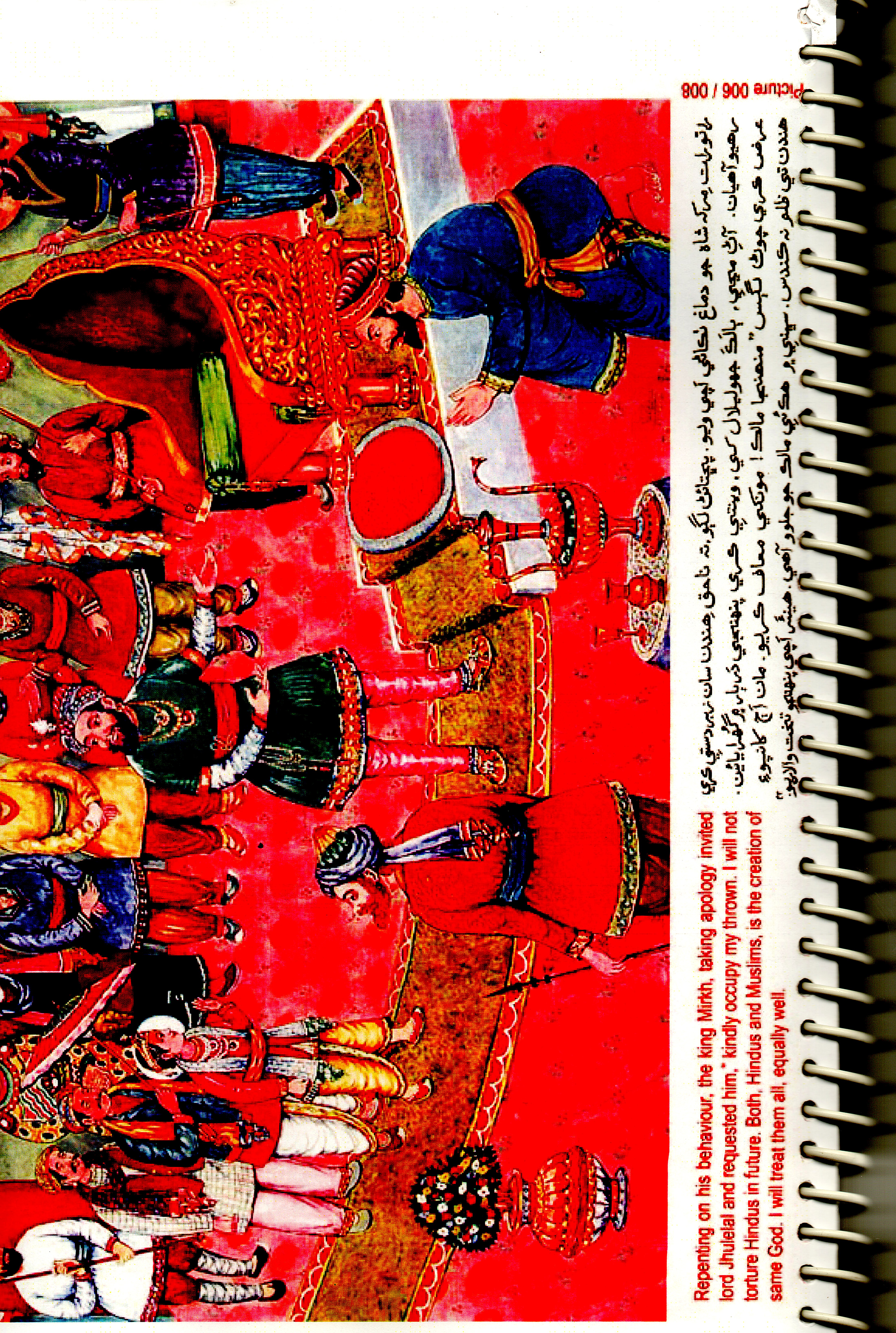
King Mirkh's Repentance and Promise of Equality
Est. 950ميرک بادشاهه جي توبه ۽ برابري جو اقرار
The narrative of King Mirkh's Repentance and Promise of Equality is a cornerstone of Sindhi heritage, illustrating a pivotal moment of religious tolerance and harmony. It recounts the story of King Mirkh (also known as Mirkshah or Mirikhshah), a ruler of Thatta in Sindh, who initially persecuted Hindus, demanding their conversion to Islam. In response to this tyranny, the Hindu community prayed to Lord Varuna, the water deity, who then incarnated as Uderolal, widely revered as Lord Jhulelal. Exhibiting divine powers from a young age, Jhulelal confronted King Mirkh, advocating for unity and equality between Hindus and Muslims, emphasizing their shared belief in one God. When the King attempted to suppress Jhulelal, his palace was afflicted by divine manifestations of fire and flood. This miraculous event led King Mirkh to realize his error, prompting his sincere repentance and a solemn promise to treat all his subjects with fairness, ensuring their religious freedom and the protection of their places of worship.
View Detailed Story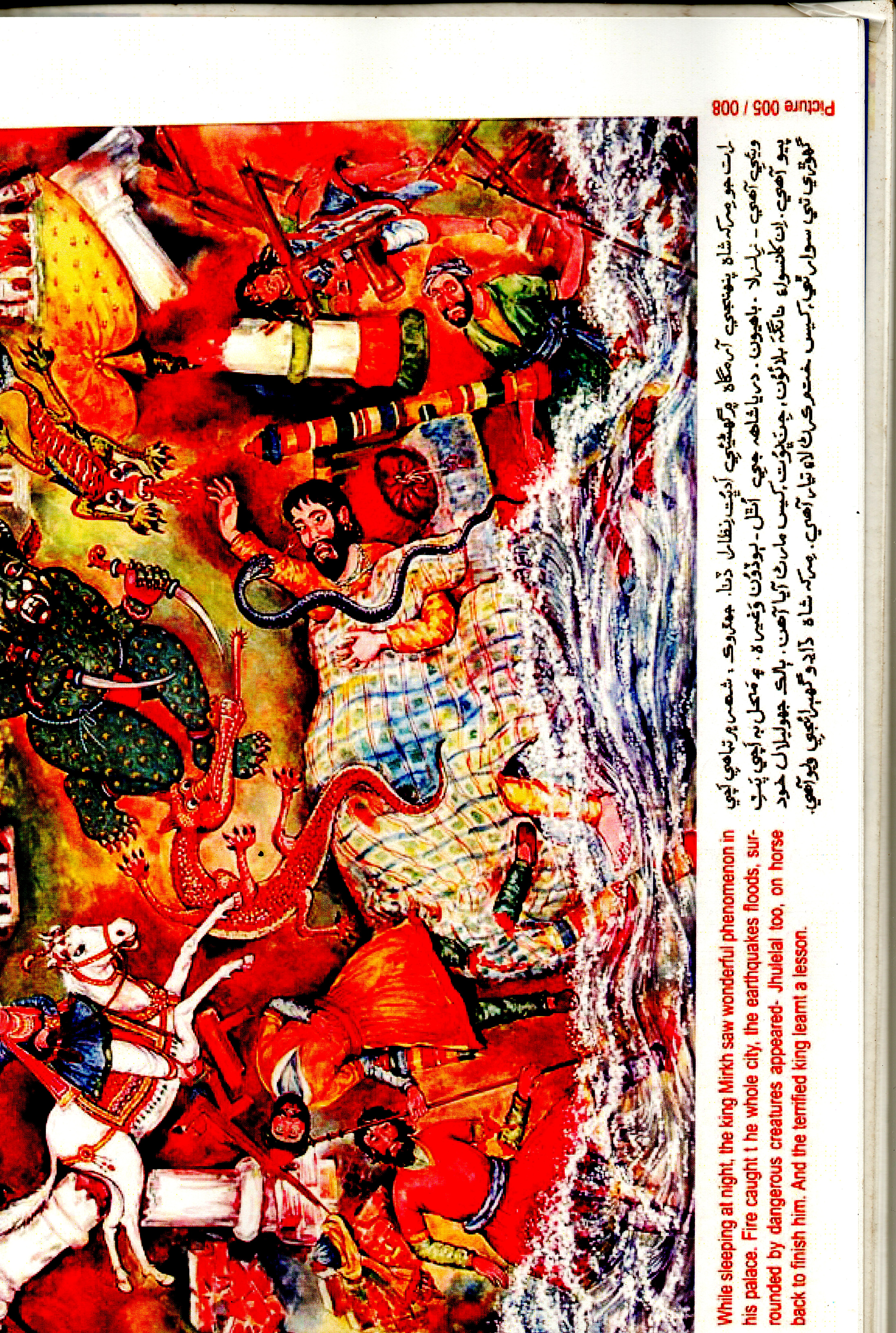
King Mirkh's Lesson
Est. 950ميرک بادشاه جو سبق
"King Mirkh's Lesson," also known by its Sindhi name "ميرک بادشاه جو سبق," recounts a pivotal legend in Sindhi heritage concerning the tyrannical King Mirkhshah and the divine intervention of Jhulelal, the patron deity of Sindhi Hindus. The narrative describes a period in the 10th century CE when King Mirkhshah, a ruler in Thatta, Sindh, issued an ultimatum to the local Hindu population: convert to Islam or face death. In their desperation, the Sindhi Hindus prayed to Varuna, the Vedic god of water, for forty days. Their prayers were answered with the birth of Jhulelal, an incarnation of Varuna, in Nasarpur. Jhulelal, exhibiting divine powers from childhood, confronted the king. Through a series of miraculous demonstrations and compelling arguments for religious tolerance and unity, Jhulelal convinced Mirkhshah to abandon his oppressive decree and grant religious freedom to the Sindhi people. This legend symbolizes Jhulelal's role as a protector of the Sindhi people and their faith against oppression, and it underscores the values of peace, harmony, and religious coexistence.
View Detailed Story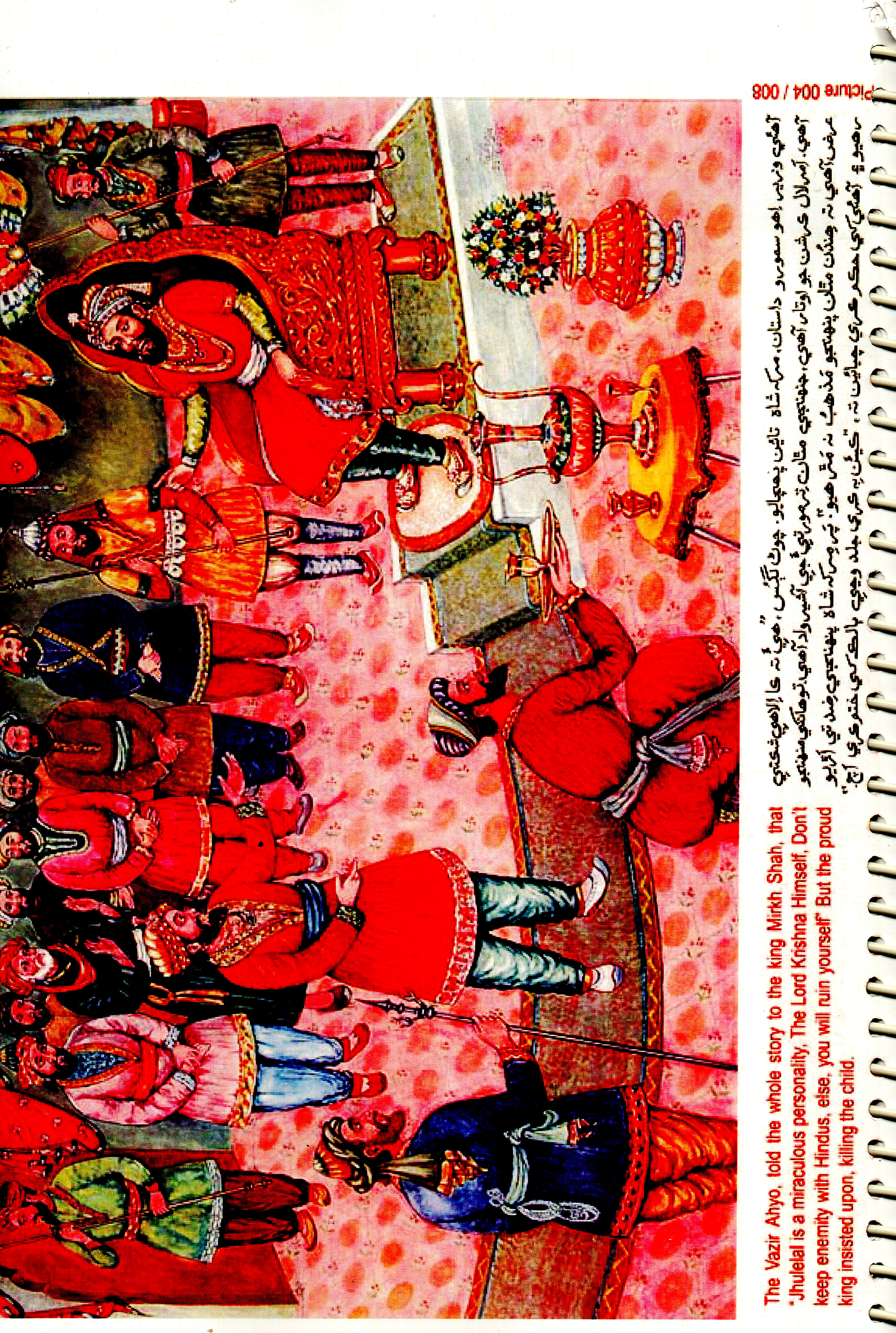
The Story of Mirkh Shah and Jhulelal
Est. 950میرک شاهه ۽ جھوليلال جي ڪهاڻي
The story of Mirkh Shah and Jhulelal recounts a pivotal moment in Sindhi heritage, highlighting the divine intervention of Jhulelal, a revered figure in Sindhi culture. During the 10th century, the tyrannical ruler Mirkh Shah of Thatta in Sindh issued a decree threatening local Hindus with forced conversion to Islam. In their distress, the Sindhi Hindus prayed to Lord Varuna, the god of water, for forty days. Their prayers were answered with the divine manifestation of Jhulelal, who was born as Uderolal in Nasarpur. Vazir Ahyo, one of King Mirkh Shah's advisors, cautioned the king against persecuting Hindus and revealed Jhulelal's divine nature as an incarnation of Lord Varuna (sometimes associated with Lord Krishna or Vishnu). The Vazir warned the king that his continued enmity would lead to his own destruction. However, the arrogant King Mirkh Shah remained steadfast in his tyrannical decision to harm the child, Jhulelal, setting the stage for legendary events where Jhulelal demonstrated his miraculous powers, including causing floods and fires to engulf the king's palace. Ultimately, Jhulelal convinced Mirkh Shah to cease his persecution and respect religious freedom, earning devotees among both Hindus and Muslims.
View Detailed Story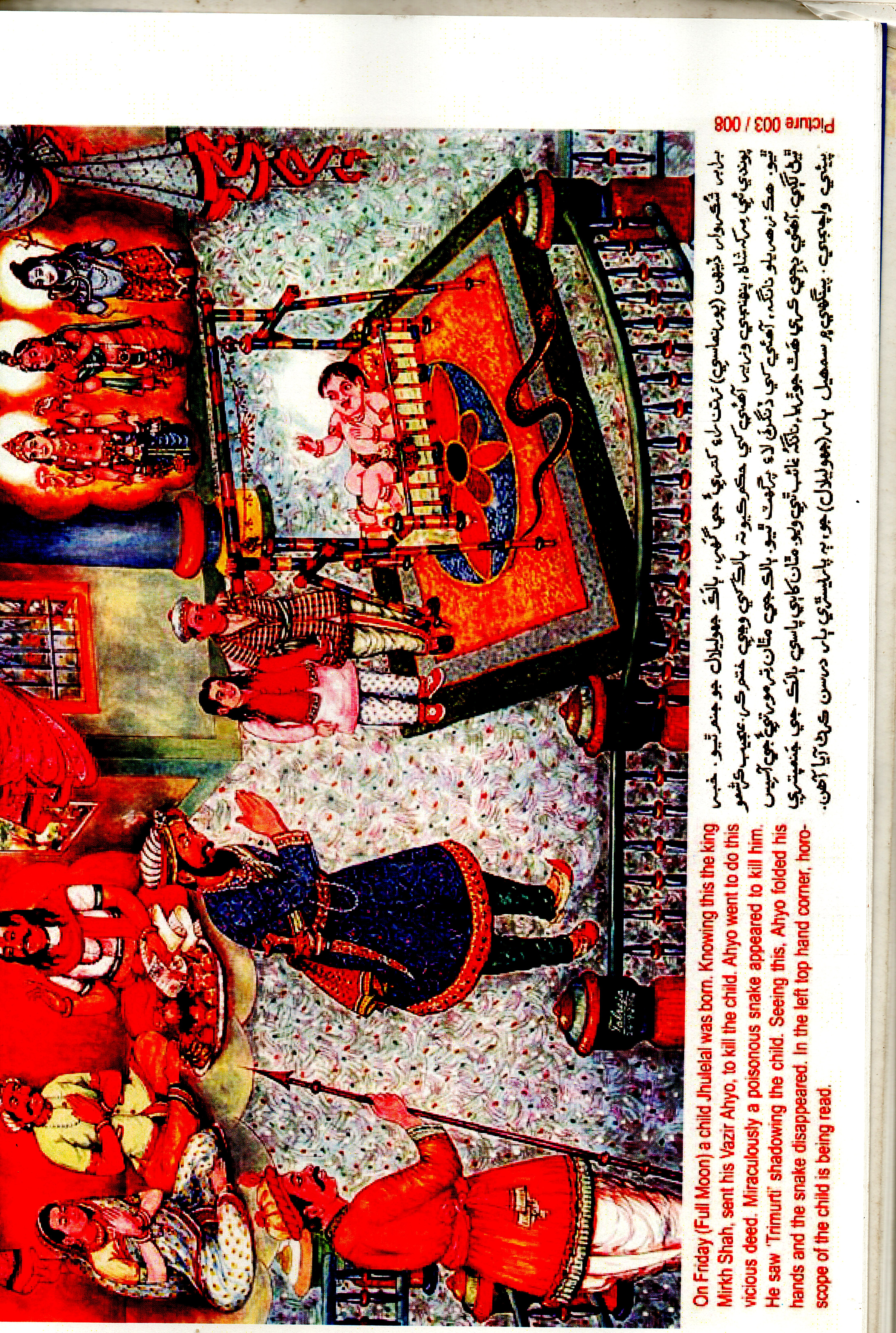
Birth of Jhulelal and Vazir Ahyo's Encounter
Est. 950جھوليلال جي پيدائش ۽ وزير آهيو جو مقابلو
The narrative of the Birth of Jhulelal and Vazir Ahyo's Encounter recounts the miraculous appearance of Jhulelal, the revered deity of Sindhi Hindus, during a period of religious persecution. According to legend, the birth of Jhulelal occurred on Cheti Chand, the second day of the Hindu month of Chaitra, which also marks the Sindhi New Year. During this era, a tyrannical ruler named Mirkh Shah in Thatta, Sindh, threatened local Hindus with forced conversion to Islam. After 40 days of fervent prayers to Lord Varuna, the god of water, a divine voice promised a savior would be born. Jhulelal was born to Devaki and Ratanchand Lohano in Nasarpur. Upon his birth, the infant Jhulelal displayed extraordinary powers; when he opened his mouth, the mighty Indus River flowed forth, with an old man seated on a pala fish within. His cradle also swung on its own, earning him the name 'Jhulelal' (Lord of the Swing).
King Mirkh Shah, skeptical of the prophecies, sent his minister, Ahirio (also known as Ahyo), to ascertain the truth and eliminate the child. Ahirio approached the infant with a poisoned rose, but Jhulelal miraculously blew the rose away and transformed before the minister's eyes. The child successively manifested as an old man with a long beard, a young lad, and then a warrior on horseback, surrounded by an army, representing the Trimurti and divine protection. Overwhelmed by these divine manifestations, Ahirio abandoned his mission, begged for forgiveness, and became a devotee of Jhulelal. He returned to Mirkh Shah to relay the astonishing encounter, but the king remained unconvinced, eventually leading to Jhulelal confronting him and convincing him to halt the persecution and embrace religious tolerance.
View Detailed Story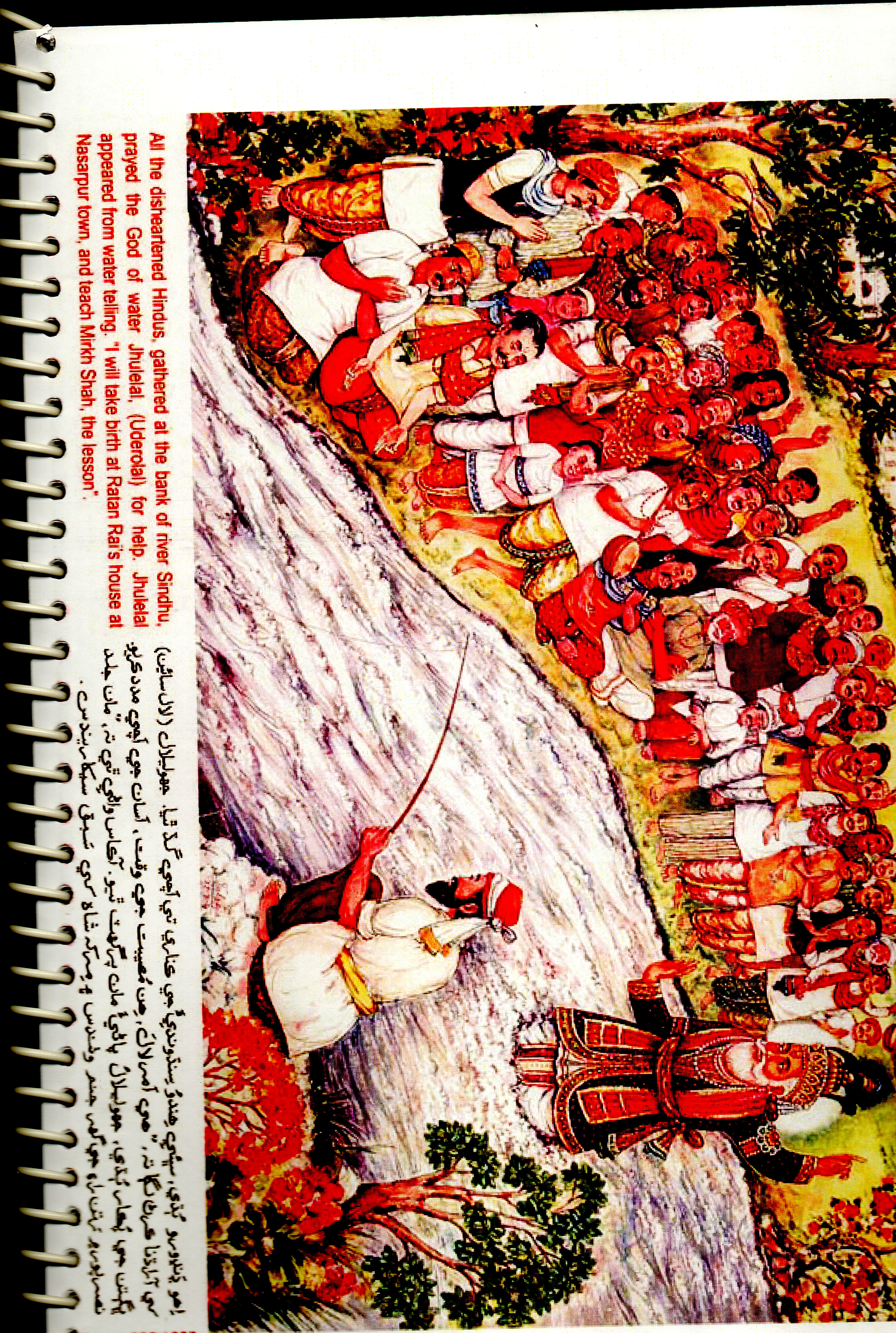
The Appearance of Jhulelal and His Promise
Est. 950جهوليلال جو ظهور ۽ سندس وعدو
The legend of "The Appearance of Jhulelal and His Promise" recounts a pivotal moment for Sindhi Hindus facing severe oppression from the tyrannical ruler Mirkh Shah in Sindh. Disheartened and fearing forced conversion, the community gathered at the banks of the River Sindhu to pray to the water deity Varuna (also known as Dariya Lal) for divine intervention. Their fervent prayers for forty days, known as 'chaliho', were answered when Lord Jhulelal appeared from the water. He promised to take birth in the house of Ratan Rai (also referred to as Ratanchand Lohano) and Mata Devaki in Nasarpur town to confront Mirkh Shah, thus assuring his devotees of imminent divine protection and the preservation of their faith and culture.
View Detailed Story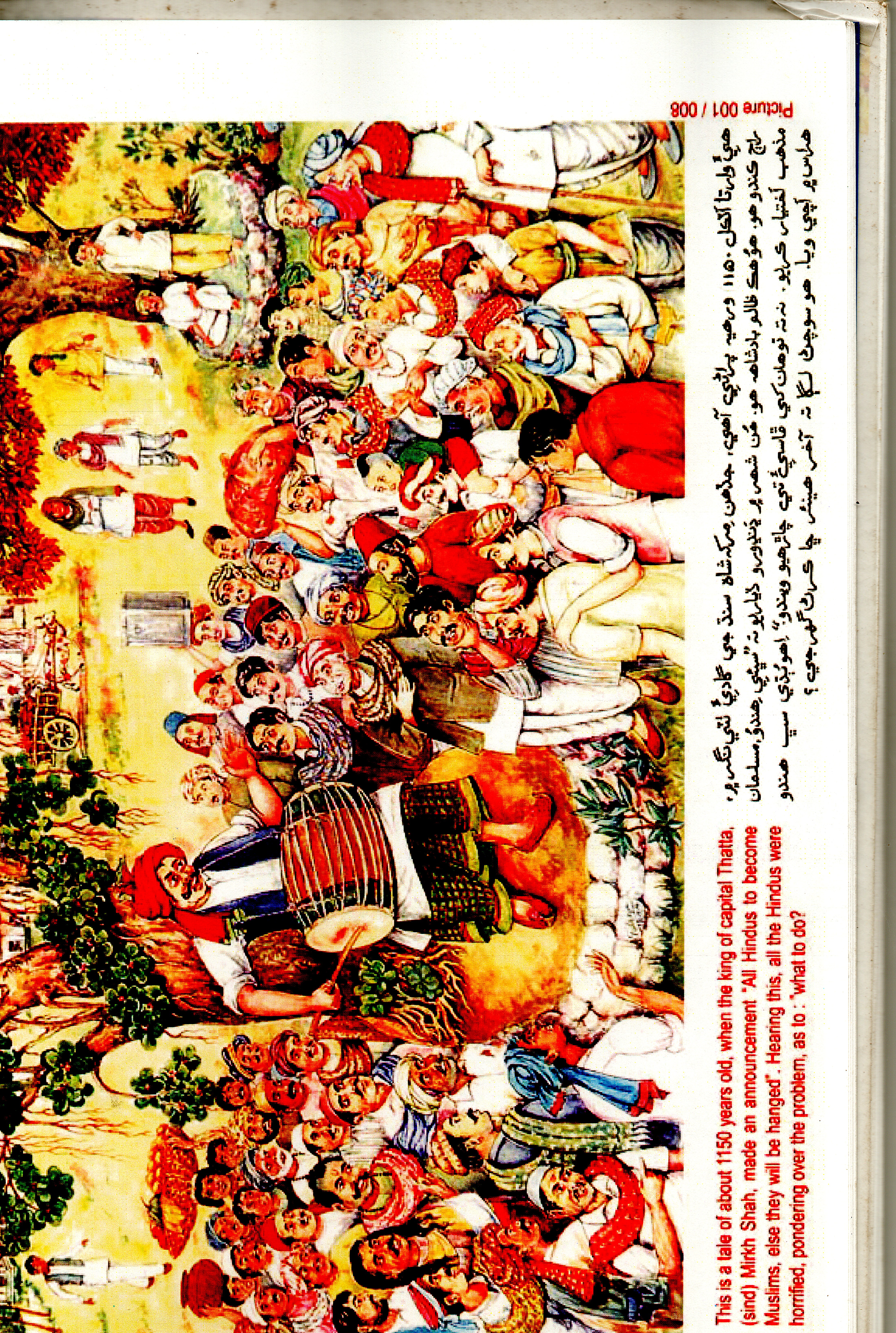
Mirkh Shah's Edict in Thatta
Est. 1007ميرک شاهه جو ٺٽي ۾ فرمان
Approximately in the early 11th century, Mirkh Shah, described as a fanatical and tyrannical ruler of Thatta in Sindh, issued a royal decree (Farman) demanding that all Hindus in the region convert to Islam or face execution. This edict caused widespread horror and distress among the Hindu population, leaving them to contemplate their dire fate. The event is a central part of the legend surrounding the birth of Jhulelal, the revered Sindhi Hindu deity, who is believed to have incarnated as a savior in response to the prayers of the persecuted Hindus.
View Detailed Story