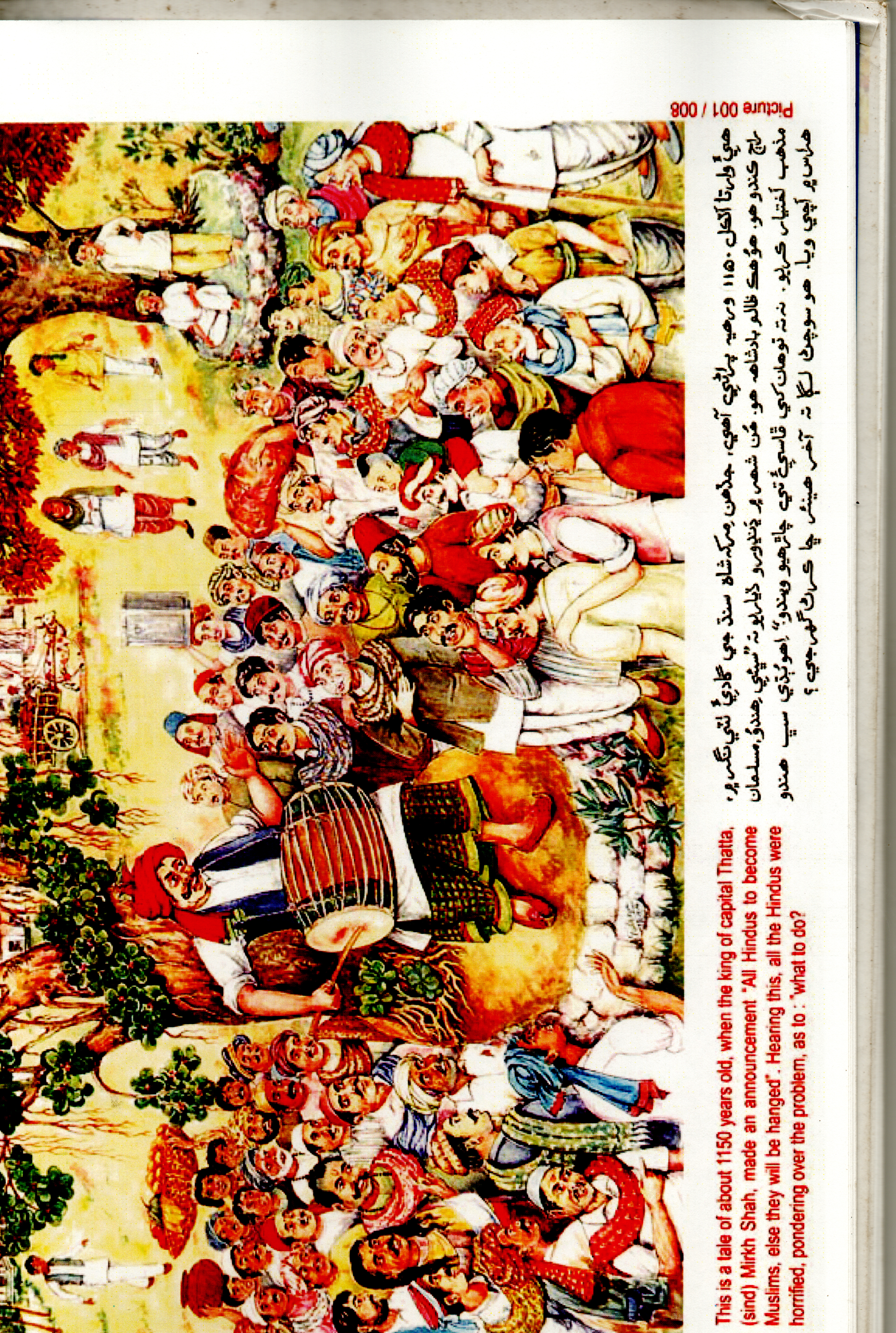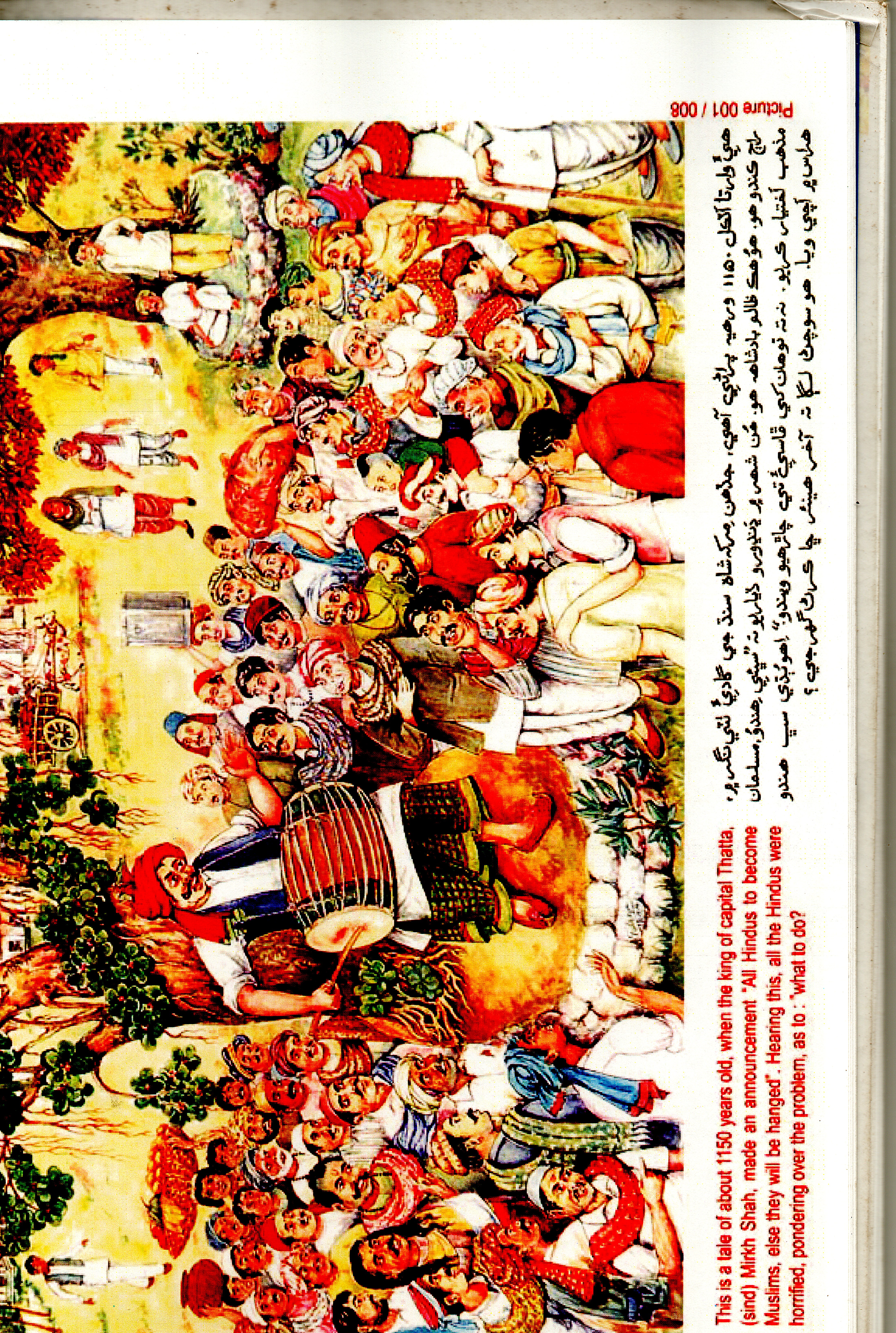
Mirkh Shah's Edict in Thatta
Mirkh Shah's Edict and the subsequent legend of Jhulelal hold immense cultural and religious significance for Sindhis worldwide, particularly for Sindhi Hindus. The event symbolizes the historical resilience of the Sindhi Hindu community in the face of persecution and their unwavering faith. Jhulelal is revered as a protector and a symbol of righteousness, fearlessness, and divine intervention.
The story reinforces themes of religious freedom and communal harmony, as Jhulelal is said to have advocated for equal rights for both Muslims and Hindus. The birth anniversary of Jhulelal is celebrated as 'Cheti-Chand,' marking the Sindhi Hindu New Year, a testament to the enduring legacy of this historical event and the deity it brought forth. This narrative serves as a foundational myth for Sindhi identity, highlighting their unique cultural heritage and their historical struggles and triumphs within the broader South Asian context.
The ongoing issue of forced conversions of minority girls in Sindh, even today, makes historical accounts like Mirkh Shah's edict resonate deeply with the community's collective memory and continued challenges.
Mirkh Shah's Edict in Thatta
ميرک شاهه جو ٺٽي ۾ فرمان
Approximately in the early 11th century, Mirkh Shah, described as a fanatical and tyrannical ruler of Thatta in Sindh, issued a royal decree (Farman) demanding that all Hindus in the region convert to Islam or face execution. This edict caused widespread horror and distress among the Hindu population, leaving them to contemplate their dire fate. The event is a central part of the legend surrounding the birth of Jhulelal, the revered Sindhi Hindu deity, who is believed to have incarnated as a savior in response to the prayers of the persecuted Hindus.
Historical Overview
The historical event of Mirkh Shah's Edict in Thatta is deeply embedded in the cultural and religious narrative of Sindhi Hindus. In the early 11th century, Thatta, a prominent city in Sindh, was governed by Mirkh Shah. Driven by what is described as fanaticism, he issued a draconian order, forcing the Hindu populace to convert to Islam. Failure to comply would result in death.
Faced with this existential threat, the Hindu community, en masse, gathered on the banks of the Indus River (Sindhu Nandi) and prayed to Lord Varuna (the water god) for salvation. Their fervent prayers are said to have lasted for forty days, a period now commemorated as 'Chalioh'. In response to their pleas, a divine voice promised a savior who would be born to Mata Devaki.
Legend holds that in 1007 CE, Uderolal, later known as Saint Jhulelal, was born in Nasarpur to Ratan Lal and Devaki. Jhulelal is believed to be an incarnation of Lord Varuna, sent to protect the Sindhi Hindus. Through his miraculous powers and teachings of unity and religious freedom, Jhulelal confronted Mirkh Shah. Eventually, Mirkh Shah is said to have conceded defeat, repented, and sought forgiveness, promising to cease the persecution of Hindus and promoting harmony between the communities.
Cultural Significance
Mirkh Shah's Edict and the subsequent legend of Jhulelal hold immense cultural and religious significance for Sindhis worldwide, particularly for Sindhi Hindus. The event symbolizes the historical resilience of the Sindhi Hindu community in the face of persecution and their unwavering faith. Jhulelal is revered as a protector and a symbol of righteousness, fearlessness, and divine intervention.
The story reinforces themes of religious freedom and communal harmony, as Jhulelal is said to have advocated for equal rights for both Muslims and Hindus. The birth anniversary of Jhulelal is celebrated as 'Cheti-Chand,' marking the Sindhi Hindu New Year, a testament to the enduring legacy of this historical event and the deity it brought forth. This narrative serves as a foundational myth for Sindhi identity, highlighting their unique cultural heritage and their historical struggles and triumphs within the broader South Asian context.
The ongoing issue of forced conversions of minority girls in Sindh, even today, makes historical accounts like Mirkh Shah's edict resonate deeply with the community's collective memory and continued challenges.
"This heritage place preserves the spirit of cultural memory, where architecture, landscape, and history come together in one experience."
— Cultural Heritage Board DocumentationVisual Journey